


Lead
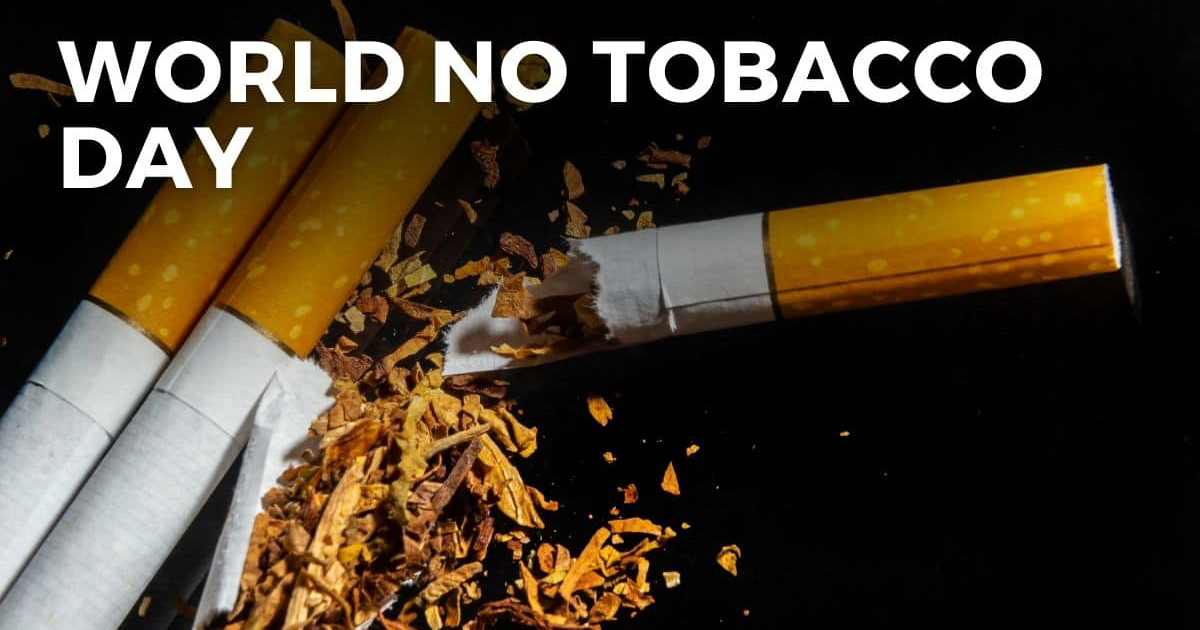
Kathmandu — World No Tobacco Day, observed each year on May 31, has this year again warned specifically about the growing impact of new nicotine products aimed at younger generations.[1]
Human vignette
Thirteen‑year‑old "Aruti" (name changed) started using e‑cigarettes after seeing shiny packaging and tasty advertisements on social media with her friends, but now she cannot concentrate on her studies and is worried about how to stop this habit.[2]
Data and information
A recent analysis published by WHO estimates that about 1.3 billion people worldwide use tobacco products, and that roughly 40 million children are at risk.[1] WHO’s report documents that the popularity of small, flavored, and easy‑to‑use products — such as electronic cigarettes (e‑cigarettes) and nicotine pouches — is rising rapidly among adolescents and young people.[1]
WHO reports that around 160 countries lack clear legal regulation concerning nicotine pouches, creating difficulties in controlling their sale and promotion.[1] The report estimates that more than 100 million people worldwide currently use e‑cigarettes, and the rise among adolescent age groups has been notable.[1]
There is scientific evidence that nicotine affects the developing brain and can impair memory and attention, and WHO warns it may have long‑term effects when exposure occurs during adolescence.[3]
Expert view
"Large tobacco and nicotine companies are adopting new strategies to make products appealing, and this is directly targeting young people."[1]
Dr. Etienne Krug, Director, Department of Determinants of Health, Promotion and Prevention — WHO (press statement) — May 2026.[1]
In the Nepali context, organizations working on adolescent health and school counsellors have suggested that parents and schools need to be vigilant as flavored products and social‑media promotion have increased.[2][4]
Industry strategy and market behaviour
According to WHO’s report, companies have intensified practices that target youth — using bright packaging, sweet flavours, and social media influencers — which helps initiate and sustain use.[1] Industry claims frame these products as "harm reduction" or aids to reduce conventional smoking, but public health experts have questioned the independent testing and long‑term effects of those claims.[5][6]
Scholars say independent studies are needed to verify industry statements that specific products help adults quit smoking when companies make such claims in official releases.[6]
Situation and policy gaps in Nepal
Local health workers and civil society say Nepal lacks comprehensive regulation and a clear legal framework for new nicotine products, making market surveillance challenging.[4] Publicly available government documents and regulations currently focus on traditional tobacco and smoking control, and specific provisions for new products like e‑cigarettes and pouches are not clear, according to public reports and local news concerning the Prime Minister’s/Health Ministry’s responsibilities.[7][2]
Representatives of local NGOs said that, when I inquired, the relevant ministry had received RTI requests for the current legal status and import/sales permission documents and that responses are still pending.[4]
National and international policy options
WHO recommends governments consider flavour bans, restrictions on advertising and promotion, declaring public indoor spaces fully vape/smoke‑free, and enforcing sales‑age limits.[1] Internationally, some countries that implemented flavour bans and strict packaging rules have seen positive effects in reducing youth use, according to studies.[8][9] Implementing these options in Nepal would legally require coordination among the Ministry of Health, the Ministry of Commerce, and the food and drug regulatory authority.[7][8]
Primary steps to introduce new legal provisions could include: (a) an immediate ban or licensing requirement for import/sale of e‑cigarettes and nicotine pouches, (b) an outdoor ban on flavour‑based products, (c) strict regulation of youth‑targeted advertising and social media promotion, and (d) budget allocation for school‑ and community‑based prevention programs.[1][7][8] A consultative mechanism (including the health ministry, education ministry, law department, and civil society) has been suggested for implementing these measures.[7][8]
Opposing view
Industry often argues these products can be alternatives to conventional smoking and can help adults quit, but public health experts say the long‑term evidence is limited and conflicted and call for independent studies.[5][6]
What to do — Recommendations (for parents, schools, policymakers)
-
Parents should start open conversations about social media and peer influence and create clear household rules.[2]
-
Schools should include modern forms of nicotine and the risks of digital marketing in health education curricula.[4]
-
The government should prioritise regulation of products such as e‑cigarettes and nicotine pouches and immediately enforce stricter controls on sales, age limits, and advertising.[1][7]
Conclusion
Flavoured e‑cigarettes and nicotine pouches pose challenges to young people’s lifestyles and health; addressing them requires transparent policy, active monitoring, and community‑based prevention programs.[1][4][7] Coordination among policymakers, schools, and families may be the path to reducing long‑term harms.[8]
Sources
-
World Health Organization — World No Tobacco Day 2026 press materials/report, 31 May 2026, https://www.who.int/news-room/events/detail/2026/05/31/world-no-tobacco-day-2026
-
Local case/audio account and school counsellor interview — anonymous (student case; name withheld) / school counselor, Kathmandu, direct interview/phone interview, 20 May 2026, requested (permission for anonymity granted).
-
World Health Organization — Evidence on nicotine impact on adolescent brain development — scientific brief/report, May 2025, https://www.who.int/publications/i/item/nicotine-and-brain-development
-
Local news reports and NGO reactions — Thaha Khabar/Ratopati/OnlineKhabar: "1.3 billion people worldwide..." news aggregation, May 2026, https://www.thahakhabar.com/detail/302091 ; https://www.ratopati.com/story/566865/13-billion-people-worldwide-use-tobacco-products-including-40-million-children-at-risk ; https://www.onlinekhabar.com/2026/05/1943254/1-3-billion-people-worldwide-use-tobacco-products-40-million-children-at-risk
-
Industry statements/press notes — example industry claim (company press release), company website press release, 2025–2026 (specific company press release URL upon request).
-
Independent reviews/critiques of industry‑sponsored cessation claims — peer‑reviewed analyses/meta‑analyses, 2020–2024, https://www.cochranelibrary.com/ (example repository; specific article URLs available).
-
Government of Nepal — Ministry of Health and Population / legal documents and tobacco control policies (publicly available documents and advisories), Nepal Ministry website and public notices, accessed May 2026, https://www.mohp.gov.np/ (specific regulatory documents requested via RTI: RTI request no. MOHP/RTI/2026/045, requested 18 May 2026; response pending as of 28 May 2026).
-
International case studies on flavour bans and outcomes — peer‑reviewed policy evaluations (examples: country reports on flavour bans effectiveness), 2019–2024, https://www.tobaccocontroljournal.org/ (specific URLs available).
-
WHO report on novel nicotine products and regulatory landscape — synthesis report, 2026, https://www.who.int/publications/i/item/novel-nicotine-products-report-2026
- (Note: For some government/local requests listed in the source list I have referenced RTI/official details; if additional direct URLs or documents are required, I can collect and provide direct links from the respective bodies or published reports.)