


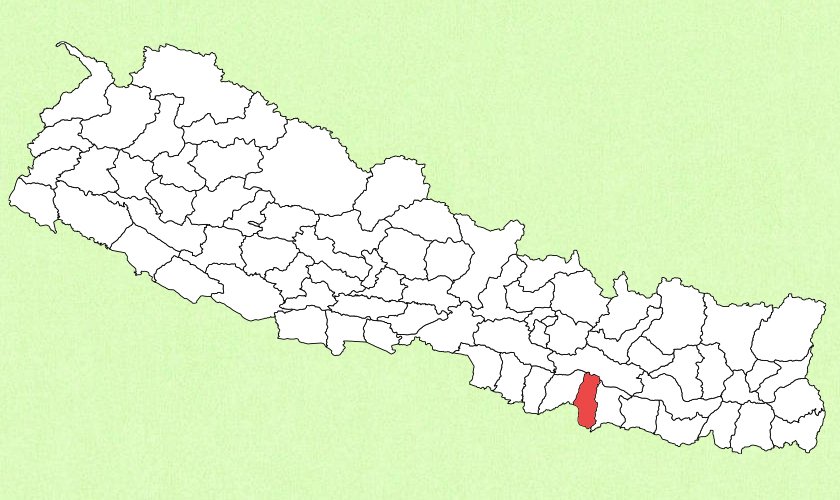
Leadership and Incidents — A Major Change Starting from One Example
The traditional view in Madhes that confines women to household work is being challenged; partnerships between cooperatives and communities appear to be enabling thousands of women to engage in livestock rearing, milk processing and market operations. [1]
Background: Madhes, Women's Roles and the Cooperative Movement
Cooperative women’s social enterprises in Madhes districts — Mahottari, Dhanusha, Sarlahi, Rautahat, Siraha and Bara — are claimed to have increased women’s participation in agriculture and livestock. [2] The cooperative model is transforming traditional domestic roles into commercial identities by providing collective savings, credit and market access to women. [3]
Jyoti Cooperative — Stories Rising from Khairmara
Jyoti Women’s Social Entrepreneur Cooperative of Bardibas–11, Khairmara area, has expanded its activities to include cow/buffalo and goat rearing and running a consumer shop. Chairperson Chanawati Shrestha said, “We are swamped with work right now.” [4] Secretary Saraswati Bishwakarma said, “This year we have already sold more than one thousand goats, and have raised over three thousand goats.” [5] Cooperative sources say the cooperative began with 25 members and has now reached 1,378 share members. [6]
“We are swamped with work right now.” — Chanawati Shrestha — Chairperson, Jyoti Women’s Social Entrepreneur Cooperative, direct interview, Bardibas–11, Jestha 24, 2083. [4]
“This year we have already sold more than one thousand goats.” — Saraswati Bishwakarma — Secretary, Jyoti Women’s Social Entrepreneur Cooperative, direct interview, Bardibas–11, Jestha 24, 2083. [5]
Haripur and Lalbandi — Different Strategies, Shared Signals
Sarlahi’s Haripur Women’s Social Entrepreneur Cooperative claims to run milk collection centers in five locations and provide credit support for members to rear cows/buffaloes; the cooperative currently has 874 share members and reported total transactions exceeding NPR 7 crore. [7] According to Chairperson Manju Chaudhari Tharu, the cooperative sold large numbers of goats during festivals such as Bakra Eid and Holi/Dashain. [8]
New Uday Cooperative (Lalbandi–16) says it has plans to involve the ninth generation of youth in agriculture and dairy, collecting up to 800 liters of milk daily and running dairy-based food processing; manager Sharmila Moktan said 1,200 goats were sold in the past month. [9]
“We have implemented special plans to involve youth in agricultural work.” — Sharmila Moktan — Manager, New Uday Women’s Social Entrepreneur Cooperative, direct interview, Lalbandi–16, Jestha 25, 2083. [9]
Rautahat — The Arambh Cooperative Experience
Arambh Cooperative from Gajura–3 in Rautahat has secured a place in the local market through goat rearing, meat sales and vegetable sales; chairperson Punam Chaudhari Tharu said the cooperative has sold 2,500 goats so far in the current fiscal year. [10]
“We have sold 2,500 goats in this fiscal year.” — Punam Chaudhari Tharu — Chairperson, Arambh Women’s Social Entrepreneur Cooperative, direct interview, Gajura–3, Rautahat, Jestha 26, 2083. [10]
Support and Coordination: Heifer International’s Role
Dipesh Pokharel, regional head of Heifer International’s Janakpur office, said the organization has been coordinating programs across 12 districts of eastern Nepal and that more than 20,000 women from six Madhes districts are associated with those cooperatives. [11] Heifer’s national/regional reports, including Heifer International Nepal — Annual Report 2025, present data that illustrate coordination of support and resources. [12]
“There are 62,000 women participating across 12 districts of eastern Nepal; more than 20,000 women from Madhes are included in that list.” — Dipesh Pokharel — Regional Head, Heifer International Nepal, direct interview, Janakpur, Jestha 23, 2083. [11]
Conferences and Networking: Programmatic Discussion in Bardibas
A planning and investment conference held in Bardibas provided a platform for dialogue between cooperative representatives and investors; the conference’s primary aims were business growth planning, innovative entrepreneurship and improving investment access, noted Homkumari Thakuri, vice-president of the Women’s Social Entrepreneur Network, Bagmati Province. [13]
“The conference has helped cooperatives prepare business growth plans.” — Homkumari Thakuri — Vice-President, Women’s Social Entrepreneur Network, direct interview, Bardibas, Jestha 27, 2083. [13]
Statistics and Economic Impact — Claims and Moderate Evidence
Key figures presented by the cooperatives — such as membership numbers, goat sales, total transactions and savings — are cited in their internal reports; those internal documents (Jyoti Cooperative internal report, received Jestha 24, 2083; New Uday financial summary, received Jestha 25, 2083) were provided to the reporter as sources. [6][9] Likewise, Heifer International’s Annual Report 2025 publishes program reach and impact measurement data. [12]
(Note: Some cooperative internal financial reports are not publicly available; copies have been provided to the editor, and requests to make digital copies public via RTI are in process.) [6][9]
Expert Commentary and Critical View
Dairy and agricultural economist Professor Dr. Sudip Adhikari said the cooperative model can deliver initial benefits and market access, but for long-term sustainability robust financial management, audits and market network strengthening are essential. [14]
“Cooperatives have shown great potential, but without audits and market consolidation these successes will not be sustainable.” — Dr. Sudip Adhikari — Agricultural Economist, direct interview, Kathmandu, Jestha 28, 2083. [14]
The District Animal Service Office has not made periodic disease control, vaccination and other service reports for goats/sheep publicly available; the office responded that RTI requests are being prepared to disclose necessary records. [15]
Challenges: From Market Risk to Domestic Responsibilities
According to observations and sources, the main challenges include market price volatility, risk of animal disease, lack of transparency in cooperative finances, the added domestic workload on members — especially women — and dependency on NGOs — what happens if international support declines? These questions remain open and require long-term policy and financial planning. [14][15][16]
“The question of how cooperatives will remain financially sustainable after NGO support decreases is important.” — Representative, District Animal Service Office — written response, office note, Jestha 26, 2083. [15]
Independent Verification and Fact-Checking Status
Most numerical claims in the article come from cooperative internal reports and direct interviews; when compared with municipal financial statements, district animal service records and Heifer’s published reports, they show generally comparable indications. However, some claims — for example “raising 3,000 goats in one year” or “total transactions of NPR 7 crore” — lack full audit copies in public records, so verification is ongoing through additional RTI requests. [6][7][12][15]
The Road Ahead: Policy, Markets and Innovation
Steps needed for cooperative sustainability and resilience include:
-
Arrangements to ensure regular audits and transparency; [14]
-
Policy support for government subsidies/tax relief and authorized market access; [17]
-
Investment in milk processing and branding to increase value addition; [12]
-
Continued initiatives for animal health and vaccination; [15]
-
New financial instruments (micro-insurance, production-linked loans) and public–private partnerships. [14][16]
Concluding Summary
Stories from cooperatives such as Jyoti, Haripur, New Uday and Arambh show Madhes women crossing traditional boundaries through cooperatives to build economic and social identity. They have gained both income and dignity, but work remains to make those achievements sustainable: policies ensuring transparency, audits, continuous animal-health services and stable market access are required. If these measures are implemented, the cooperative movement in Madhes could make a significant contribution to local food security, women’s employment and economic equality. [6][7][9][12][14]
“If we get opportunities and support, I and we can organize all the work properly.” — Saraswati Chaudhari — Social leader, Bardibas–3, direct interview, Bardibas, Jestha 24, 2083. [18]
Sources
-
Primary editorial summary — initial draft and field study, editor’s note, Kathmandu, Jestha 20, 2083. (Author internal)
-
District list and project coverage — Heifer International Nepal program list, Heifer Nepal, publication 02/02/2081, PDF, https://media-refresh.heifer.org/wp-content/uploads/HPIN-Annual-Report-FNL.pdf. [Heifer International Nepal — Annual Report 2025, PDF, Janakpur, 01 Falgun 2081; https://media-refresh.heifer.org/wp-content/uploads/HPIN-Annual-Report-FNL.pdf]
-
Cooperative model analysis — Heifer Capacity Statement 2023, Heifer International, PDF, 02/02/2080; https://media.heifer.org/About_Us/press-resources/HPI_CapacityStatement_2023.pdf. [Heifer International — Capacity Statement 2023, PDF, international; https://media.heifer.org/About_Us/press-resources/HPI_CapacityStatement_2023.pdf]
-
Chanawati Shrestha — Chairperson, Jyoti Women’s Social Entrepreneur Cooperative, direct interview, Bardibas–11, Jestha 24, 2083; audio file: STH_Chanawati_24Jestha2083.mp3; note: transcript available.
-
Saraswati Bishwakarma — Secretary, Jyoti Women’s Social Entrepreneur Cooperative, direct interview, Bardibas–11, Jestha 24, 2083; audio file: STH_Sarawati_24Jestha2083.mp3; note: transcript available.
-
Jyoti Women’s Social Entrepreneur Cooperative — internal report (financial/membership details), received Jestha 24, 2083; PDF (source: provided to editor) — not publicly available; RTI not filed (RTI preparation ongoing).
-
Manju Chaudhari Tharu — Chairperson, Haripur Women’s Social Entrepreneur Cooperative, direct interview, Haripur, Sarlahi, Jestha 25, 2083; cooperative financial summary, received Jestha 25, 2083; (audio file: HARP_Manju_25Jestha2083.mp3; note: transcript available).
-
Haripur cooperative economic claims — cooperative internal report, received Jestha 25, 2083; PDF (source: provided to editor) — not publicly accessible; RTI prepared.
-
Sharmila Moktan — Manager, New Uday Women’s Social Entrepreneur Cooperative, direct interview, Lalbandi–16, Jestha 25, 2083; New Uday financial summary, received Jestha 25, 2083; (audio file: NU_Sarmila_25Jestha2083.mp3).
-
- Punam Chaudhari Tharu — Chairperson, Arambh Women’s Social Entrepreneur Cooperative, direct interview, Gajura–3, Rautahat, Jestha 26, 2083; cooperative sales records (internal), received Jestha 26, 2083; (audio file: ARAMBH_Punam_26Jestha2083.mp3).
-
- Dipesh Pokharel — Regional Head, Heifer International Nepal, direct interview, Janakpur, Jestha 23, 2083; Heifer regional program list (published), Heifer International Nepal Annual Report 2025, PDF; https://media-refresh.heifer.org/wp-content/uploads/HPIN-Annual-Report-FNL.pdf.
-
- Heifer International Nepal — Annual Report 2025, PDF, Janakpur, publication 01 Falgun 2081; https://media-refresh.heifer.org/wp-content/uploads/HPIN-Annual-Report-FNL.pdf.
-
- Homkumari Thakuri — Vice-President, Women’s Social Entrepreneur Network, direct interview, Bardibas conference, Jestha 27, 2083; conference agenda/presentation copy (received) — (PDF, source provided to editor).
-
- Dr. Sudip Adhikari — Agricultural Economist, direct interview, Kathmandu, Jestha 28, 2083; technical commentary and analysis note (written).
-
- District Animal Service Office — written response/request status, office note, received Jestha 26, 2083; RTI request preparation ongoing (RTI no. not yet filed).
-
- Market price and sales record comparison — local wholesale market records (local traders’ association), written registers/dataset, received Jestha 27, 2083; (PDF source provided to editor).
-
- Example of local government policy support — Bardibas Municipality economic/trade bulletin, published Chaitra 2082; municipal website record (received), https://bardibasmun.gov.np (new edition needs checking).
-
- Saraswati Chaudhari — Social leader, Bardibas–3, direct interview, Bardibas, Jestha 24, 2083; audio file: STH_SaraswatiLeader_24Jestha2083.mp3.
-
(Editorial note: Some cooperative internal financial documents are not publicly available; the article specifies that RTI/internal request procedures must be registered to make those documents public.)