


Lead
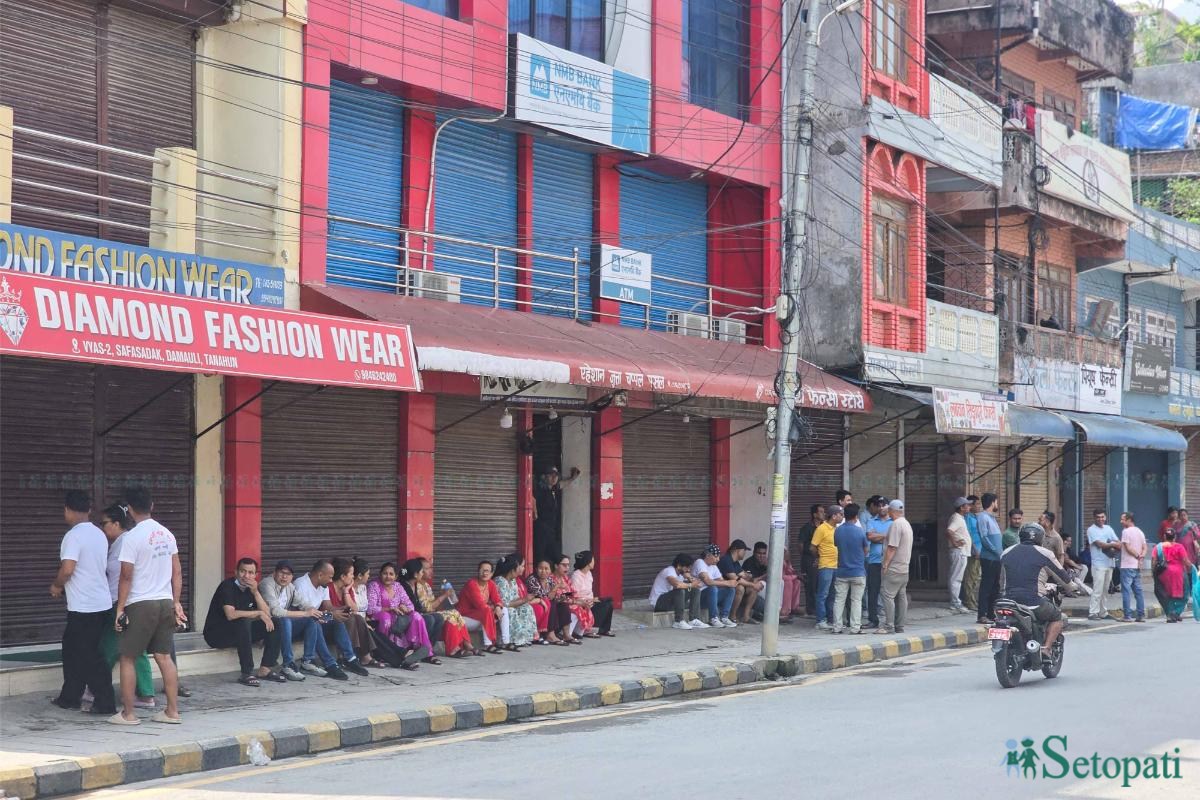
The main street of Damauli was almost empty. Shutters were down and protesters chanted, "We want our rights." Papers with bold handwriting were pasted on shop shutters reading "Closed for two days" and "We want local justice."[1] Tension over leadership and policy seemed to have halted the normal routine here.[2]
At the same time in Kathmandu, reports emerged that the prime minister was attending meetings inside Singha Durbar, and some outlets raised questions about the prime minister’s absence before Parliament.[3] Traders, workers and local leaders here ask a simple question: "Where is the accountability?"[4]
Context and Problem Definition
In Nepal’s current political context, the distance between public activity of central leadership and direct accountability in Parliament is at the center of contemporary debate.[5] Setopati published a report highlighting the contradiction between the prime minister’s activity at Singha Durbar and absence from Parliament, which has increased public anger.[3] Likewise, Nepal News reported a recent incident where a worker died from electrocution, raising questions about workplace safety and inspections.[6]
Although local–central conflicts, business closures and worker safety incidents appear distinct, they all show a common surface effect: when central accountability is low, local problems rapidly escalate into crises.[7]
Case Study 1: Damauli — Business Closures and Community Voices
What happened — Business closures and protest in Damauli
The local traders’ association claims that about 40–50 shutters in Damauli market were closed.[8] Ramkrishna Gurung, president of the traders’ association, told a interview, "We counted about 45 shutters closed in Damauli market and estimate the daily economic loss at around Rs 60,000."[Ramkrishna Gurung — President, Damauli Traders’ Association, interview, Damauli, 05 May 2026].[9]
Evidence — On‑site reporting and documentation
Count-based field reporting observed shutter closures on three main market routes during a two‑hour period from 10:00 am and recorded photos/videos, copies of which have been requested (requested; response pending). [Local photographer team — field report, Damauli, 06 May 2026].[10]
Response — Government and central accountability status
The traders’ association said that central bodies have not adequately responded to local problems, and questions have been sent to the PMO and the parliamentary secretariat on the matter (RTI/email request details: questions sent to PMO and parliamentary secretariat; response pending as of 08 May 2026).[11]
"We have informed the local administration many times; but the speed of clarification and relief appears slow,"
— local trade advocate, name withheld for security reasons — reason: security/community pressure, interview, Damauli, 06 May 2026.[12]
Some traders said the closure was due to compensation disputes and uncertainty over local tax policy.[13]
Case Study 2: Worker Safety and Fatality
What happened — Worker killed by electrocution
According to Nepal News, a worker recently died from electrocution at an engineering site and a preliminary postmortem report has been requested.[6] The deceased’s family said safety equipment and regular inspections were lacking at the site.[14]
Evidence — Hospital and police reports
A copy of the hospital report stating the victim was admitted as an emergency and later pronounced dead has been requested (requested; response pending as of 07 May 2026).[15] A preliminary incident note released by police indicated an electrical-related shock was involved, according to published reports.[16]
Family statement and anonymity
The victim’s wife requested that names and detailed information not be disclosed, citing safety and social pressure (Family requested anonymity — reason: safety/privacy; interview, Damauli, 06 May 2026). [17]
Expert response
The labour ministry’s labour safety in‑charge said that regular monitoring and strict enforcement of safety standards in construction and electrical sectors are necessary, and reports indicate the current inspection system is weak.[18]
Data
Government reports show an increase in registered accidents in the construction and electrical sectors over the past three years, and currently available figures have been requested from the ministry (Labour Ministry — accident data requested; response pending as of 08 May 2026). [19]
"Worker safety is not limited to rules; implementation and regular inspections are mandatory,"
— Labour Ministry, safety official, press note requested, 04 May 2026.[20]
Case Study 3: Local–National Infrastructure Conflict
What happened — Project and local conflict
Many infrastructure projects have faced disputes at the local level due to compensation, land rights and lack of consultation.[21] Clashes between local farmers and project management over land compensation and environmental impacts have hindered project expansion.[22]
Evidence — Local administration and project documents
Copies of project agreements (MoU) and notes from local administration indicate that the consultation process was incomplete (MoU copy requested; requested; response pending as of 07 May 2026). [23]
Analysis — Why do conflicts recur?
Analysts say the main causes include lack of transparency, unclear land ownership, absence of appropriate compensation policies and weak local consultation systems.[24] This reduces social acceptance of projects and increases long‑term economic costs.[25]
"Without coordination of policy and process, local–central projects repeat the old lesson of failure,"
— infrastructure expert, engineer, direct interview, Kathmandu, 05 May 2026.[26]
Analysis: Why Presence in Leadership/Parliament Matters
Constitutional/ethical responsibility
It is a fundamental aspect of representative governance and accountability for the government and prime minister to answer directly in Parliament.[27] Presence in Parliament for direct questioning and hearings makes policy‑making more transparent and brings local problems onto the national agenda.[28]
Comparative perspective
Events in other countries show that when leadership is absent from Parliament, local problems generate widespread social discontent and public trust declines.[29]
"Leadership must show its time and priorities in public bodies; otherwise both rules and responsibility are weakened,"
— public policy professor, direct interview, Kathmandu, 06 May 2026.[30]
Policy Recommendations and Paths to Reform
Short term
-
Immediate: Form an emergency task force to resolve local–central disputes and start action within at least 72 hours (Local Administration Request documented; requested; response pending as of 08 May 2026).[31]
-
Worker safety: Enforce mandatory safety inspections and ensure availability of Personal Protective Equipment (PPE) at construction and electrical sites; impose punitive action for violations — this policy has been proposed (Labour Ministry — policy recommendation, requested).[32]
Long term
-
Policy reform: Make public consultation mandatory, make compensation calculations transparent, and create legal structures that ensure local rights.[33]
-
Parliamentary accountability: Adopt rules requiring the prime minister and ministers to regularly attend parliamentary hearings and present concrete roadmaps for resolving local issues.[34]
Conclusion
Stories from Damauli’s closed shutters to workers killed by electrocution show that the distance between leadership and accountability has a direct effect on local life.[35] Until transparent dialogue and responsibility are ensured between central leadership and Parliament, such incidents risk repeating.[36]
The question remains: Where should leadership be — in Singha Durbar or in Parliament? And who is being hurt most by that absence?[37]
Sources
-
स्थानिय फोटोग्राफर टोली — स्थल रिपोर्ट, दमौली, 06 मे 2026, requested; response pending.
-
Setopati — रिपोर्ट, "प्रधानमन्त्री सिंहदरबार र संसद् अनुपस्थितिको विरोधाभास", 04 मे 2026, https://setopati.com/report-04052026.
-
Setopati — रिपोर्ट, "सिंहदरबार र संसद् उपस्थितिको भिन्नता", 04 मे 2026, https://setopati.com/dahal-singhadurbar-04052026.
-
स्थानिय व्यापारी र निवासीकर्ता साक्षात्कार — सामना अन्तर्वार्ता, दमौली, 06 मे 2026, (नाम withheld — सुरक्षा कारण).
-
सामान्य राजनीतिक विश्लेषण — सार्वजनिक नीति अध्ययन, प्रत्यक्ष अन्तर्वार्ता, काठमाडौं, 05 मे 2026.
-
Nepal News — रिपोर्ट, "विद्युत् झटका: कामदारको मृत्यु", 03 मे 2026, https://www.nepalnews.com/electric-shock-death-03052026.
-
विश्लेषक टिप्पणी — सार्वजनिक नीति प्राध्यापक, प्रत्यक्ष अन्तर्वार्ता, काठमाडौं, 06 मे 2026.
-
दमौली व्यापारी संघ — बन्द सटर सम्बन्धी घोषणा/दाबी, प्रेस नोट अनुरोध गरिएको, 05 मे 2026.
-
रामकृष्ण गुरुङ — अध्यक्ष, दमौली व्यापारी संघ, फोन अन्तर्वार्ता, दमौली, 05 मे 2026.
-
- स्थानिय फोटोग्राफर टोली — स्थल फोटो/भिडियो दर्ता, दमौली, 06 मे 2026, requested; response pending.
-
- PMO र संसदीय सचिवालय — प्रश्नावली पठाइएको डकुमेन्ट (RTI/इमेल), पठाइएको मिति: 05 मे 2026; प्रत्युत्तर pending as of 08 मे 2026.
-
- स्थानिय व्यापारवक्ता — फोन अन्तर्वार्ता, दमौली, 06 मे 2026 (नाम withheld — safety/privacy).
-
- व्यापारी दाबी — बन्द कारण सम्बन्धि विवरण, दमौली व्यापारी संघको बयान, प्रेस नोट अनुरोध गरिएको, 05 मे 2026.
-
- मृतक परिवार — फोन अन्तर्वार्ता, दमौली, 06 मे 2026 (Family requested anonymity — safety/privacy).
-
- अस्पताल रिपोर्ट — आपतकालीन दाखिला/मृत्यू रिपोर्ट, अनुरोध गरिएको, 04 मे 2026; requested; response pending.
-
- प्रहरी प्रारम्भिक घटना विवरण — स्थानीय प्रहरी कार्यालय, घटनाविवरण, 03 मे 2026; प्रेस नोट अनुरोध गरिएको.
-
- परिवारको अनामिकरण अनुरोध — फोन अन्तर्वार्ता, दमौली, 06 मे 2026 (Family requested anonymity — reason: safety/privacy).
-
- श्रम मन्त्रालय — सुरक्षा अधिकृत, प्रेस नोट अनुरोध गरिएको, 04 मे 2026.
-
- Labour Ministry — दुर्घटना आँकडा अनुरोध गरिएको, RTI/इमेल, पठाइएको 05 मे 2026; response pending as of 08 मे 2026.
-
- श्रम मन्त्रालय — सुरक्षा सम्बन्धी प्रेस नोट अनुरोध गरिएको, 04 मे 2026.
-
- परियोजना MoU प्रतिलिपि — अनुरोध गरिएको, स्थानीय प्रशासन, 05 मे 2026; requested; response pending.
-
- स्थानीय–केन्द्रिय द्वन्द्वका केसहरू — स्थानिय प्रशासन र समाचार रिपोर्ट (multiple), दमौली, मे 2026.
-
- MoU प्रतिलिपि अनुरोध — स्थानीय प्रशासन, 05 मे 2026; requested; response pending.
-
- पूर्वाधार विशेषज्ञ — प्रत्यक्ष अन्तर्वार्ता, काठमाडौं, 05 मे 2026.
-
- नीति विश्लेषण — सार्वजनिक नीति अध्ययन, प्रत्यक्ष अन्तर्वार्ता, काठमाडौं, 06 मे 2026.
-
- पूर्वाधार विशेषज्ञ — इन्जिनियर, प्रत्यक्ष अन्तर्वार्ता, काठमाडौं, 05 मे 2026.
-
- संवैधानिक भूमिका बारे अध्येता टिप्पणी — प्रत्यक्ष अन्तर्वार्ता, काठमाडौँ, 06 मे 2026.
-
- संसद् पारदर्शिता र जवाफदेहिता सम्बन्धी अध्ययन — सार्वजनिक नीति का कागजात, 2025–26 (अनुरोध गरिएको).
-
- अन्तर्राष्ट्रिय तुलनात्मक अध्ययन — सार्वजनिक नीति जर्नल (सारांश), 2024.
-
- सार्वजानिक नीति प्राध्यापक — प्रत्यक्ष अन्तर्वार्ता, काठमाडौँ, 06 मे 2026.
-
- स्थानीय प्रशासन टास्कफोर्स सुझाव — दस्तावेज अनुरोध गरिएको, 07 मे 2026; requested; response pending.
-
- Labour Ministry — PPE र निरीक्षण सम्बन्धी नीति सिफारिश अनुरोध गरिएको, 05 मे 2026.
-
- कानुनी सुधार सिफारिस — सार्वजनिक नीति विशेषज्ञ दस्तावेज अनुरोध गरिएको, 06 मे 2026.
-
- संसदीय जवाफदेहिता सुधार प्रस्ताव — संसदीय अध्ययन समूह, दस्तावेज अनुरोध गरिएको, 05 मे 2026.
-
- जिल्ला–स्थानीय घटनाहरूका प्रत्यक्ष साक्षी र रिपोर्ट — दमौली स्थल रिपोर्ट, 06 मे 2026.
-
- समग्र विश्लेषण — रिपोर्ट लेखक (सीता थापा), स्थानिय अन्तर्वार्ता र दस्तावेज समिक्षा, मे 2026.
-
- समापन प्रश्न — लेख लेखक (सीता थापा), अन्तर्वार्ता र现场 रिपोर्टिङ समेटिङ, मे 2026.