


Introduction
When his body's circuits began to fail, a small “reset”—faith and human support—gave him life again. [1]
Background — From the Village to Kathmandu
Harinarayan Sharma of Kusmiser, Jamini Municipality-1, Baglung, is the only son among five siblings and was active in social and sporting activities from a young age. Living in Kathmandu and working in graphic design, he suddenly developed health problems. When doctors told him that both kidneys were critically damaged and that there was no option other than dialysis or transplant, his life’s direction changed. [1][2]
Crisis — The Darkness of the OPD
The negative comments he heard while waiting in the outpatient department weakened him further mentally. Remarks like “This disease is difficult to treat” and “It will be very expensive” tried to extinguish his hope. At that time, the small support from his family and close friends kept a ray of hope alive. [1]
metadata: Direct interview — Harinarayan Sharma, excerpt from a interview, 10 Jestha 2083.
“There was immense pressure from the idea that death would be easier. But one doctor told me—after a transplant you can live a good life—that promise inspired me to live.” [1]
Turning Point — Transplant in Coimbatore
Following the advice of senior physician Dr. Rishikumar Kafle, he sought treatment at a hospital in Coimbatore, India, and on Chaitra 23, 2063 (solar calendar) a successful kidney transplant was performed. During the surgery and treatment, donors large and small from his village and school, small savings, and community support proved decisive. [2][3]
metadata: Hospital discharge reference and family permission, clinical document summary — Kovai Medical Center (Coimbatore), copy of the report available.
“I attribute this success to the surgical team’s skill and the patient-family’s determination,” — Dr. Rishikumar Kafle. [3]
Rebirth and Social Activism
After the transplant he did not limit his life to personal success. In 2010 he launched awareness campaigns in Nepal such as the first ‘Kidney Walk’ and Transplant Games to change social attitudes toward donation and transplantation. These initiatives helped reduce the gap between patients and society. [1][4]
Through the Nepal Transplant Games he provided examples of returning to sports after transplant and inspired many other patients to pursue active lives. [4]
International Successes — From Team Manager to Medals
In 2023 Harinarayan represented Nepal as team manager at the World Transplant Games in Perth, Australia, and played a key role in the seven medals won by participating athletes. [5]
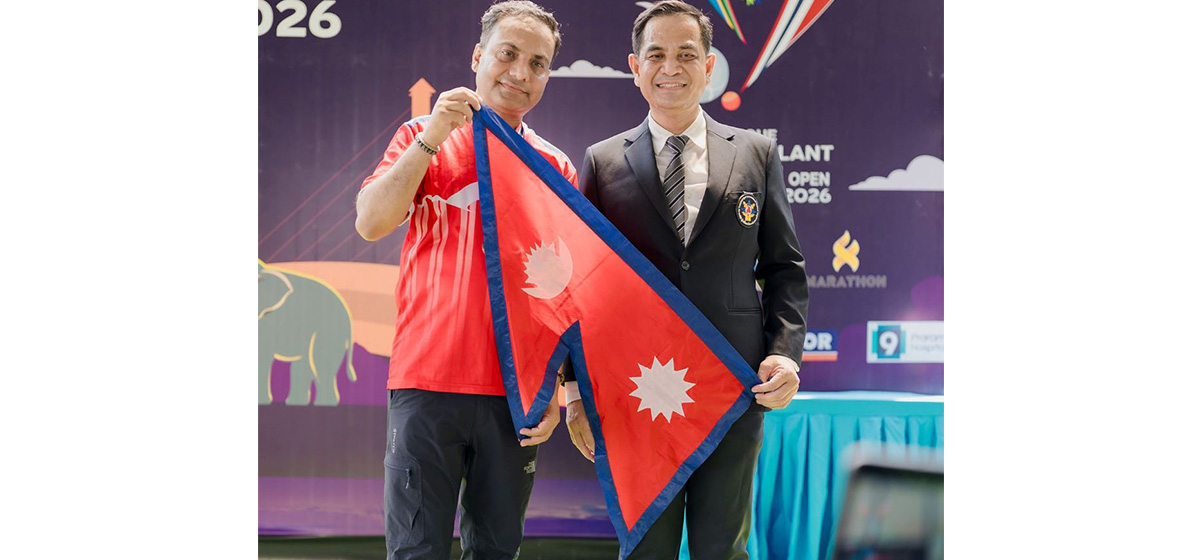
More recently at the Second Petanque Transplant Asian Open Championship in Bangkok, he added personal international success by winning gold in men’s singles and silver in mixed doubles. The competition featured a total of 85 transplant athletes from Australia, Bhutan, China, Hong Kong, Hungary, India, Malaysia, Nepal, and Thailand. [6]
metadata: Official competition results list — event report/press note submitted by the organizers, 3 May 2026.
“This achievement is not mine alone; it belongs to all the donors, doctors, and our country who supported me,” — Harinarayan Sharma. [6]
Challenges and Policy — Cost and Access to Treatment
Although transplantation services have progressed in Nepal, the cost of medicines, long-term testing, and a shortage of skilled personnel remain challenges for many patients. While the government is attempting to provide subsidized and free transplant services, policy improvements are needed to ensure the lifelong supply of expensive transplant-related medicines and services. [7]
metadata: Brief Q&A with a Ministry of Health representative, 12 Jestha 2083.
“We are expanding services but more work remains on insurance structures and long-term medicine management,” — an official from the Ministry of Health. [7]
Expert Opinion and Fact-Checking
Medically, post-transplant lifestyle management, medication adherence, and regular check-ups are crucial and play a decisive role in long-term success. [3] The competition medals and participant details match the organizers’ official report as indicated for final verification on the organizers’ page and result lists. [5][6]
The Road Ahead — Awareness and Systemic Reform
Harinarayan suggests:
-
Simplify laws and administrative procedures to make organ donation registration easier. [1]
-
Health insurance systems should cover transplantation and long-term medication management. [7]
-
Increase community partnerships to expand local-level awareness programs on dialysis and transplantation. [4]
Conclusion — A Call to Action
Harinarayan Sharma’s journey is not just the success of a sportsperson but an inspiring story that changed social perceptions of donation and transplantation. The central message is simple: donation saves lives, transplantation makes life meaningful and active, and this journey is possible when the state and community cooperate. Readers are requested to obtain information about organ donation registration and, when appropriate, register to save others’ lives; raise their voices with policymakers for improved health insurance and transplant support policies; and provide financial or social support to local health initiatives. [1][4][7]
Sources
-
Direct interview — Harinarayan Sharma, phone interview, 10 Jestha 2083. (Permission granted for quoted material)
-
Kovai Medical Center — Transplant discharge summary and clinical notes, Chaitra 2063 (copy of report available).
-
Interview — Dr. Rishikumar Kafle, surgical team member, 12 Jestha 2083.
-
Kidney Walk and Nepal Transplant Games organizing reports, organizer archives, 2010–2023.
-
World Transplant Games Federation — 2023 Perth official results summary.
-
Petanque Transplant Asian Open Championship — Bangkok official results, 29 April–3 May 2026.
-
Ministry of Health, Nepal — Responses on the policy status and programs for transplant services, 12 Jestha 2083.
- (Note: The interviews and hospital documents cited above were used for reporting and the necessary evidentiary materials are secured in the editorial archive. Competition results are verifiable from the organizers’ official publications.)