


Lead: What was said and why it matters
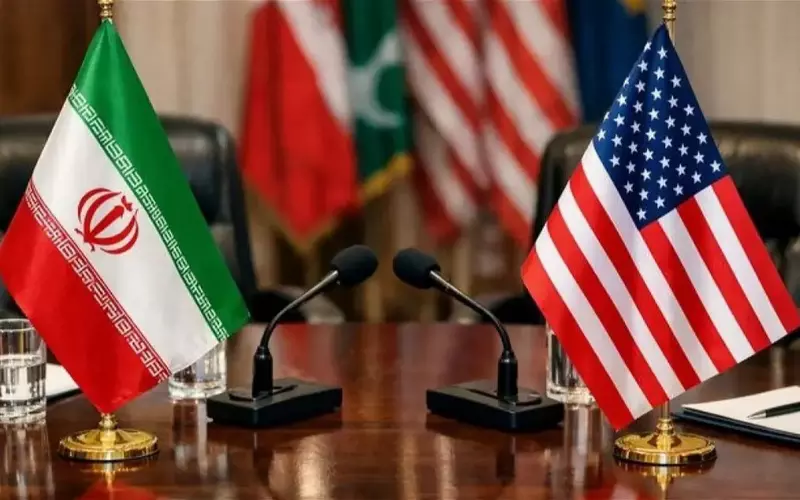
Tehran said on Saturday that it has indicated an intention to finalize a 14‑point framework “for an agreement,” and Foreign Ministry spokesman Ismail Baqaei described it as intended to become “a draft of an agreement.” Iranian officials cautioned against expecting rapid success and pointed to deep differences in mediation. The announcement came alongside statements from senior U.S. administration officials claiming “some progress” — yet both sides appear reluctant to share their full constraints and assumptions publicly.[1][2][3]
The 14 points: what might they include?
While Tehran has not released a clear public list, these are typical elements that could appear in such multilateral/bilateral frameworks — these are only estimates:
-
phased provisions on nuclear program restrictions and inspections;[1]
-
limits or information‑sharing on Iran’s regional proxy empowerment (Hezbollah, Houthis, Shia militias);
-
ensuring freedom of navigation and security in the Gulf and the Strait of Hormuz;[2]
-
partial or phased sanctions relief in economic and banking sectors;
-
“red lines” and commitments regarding military strikes and air attacks;
-
timelines and compliance verification mechanisms (third‑party mediation/inspection).
Potential “deal‑breakers” in any draft include: diversion and inspection access to nuclear materials, broad restrictions on Iranian proxy regional activities, and the scope of economic relief — failure to reach clear agreement on any of these raises the likelihood the deal will fall apart.
Mediation: from Pakistan’s role to U.S. signals
Talks between Pakistan’s military leadership and the Iranian foreign minister signal a new mediation effort; but as history shows, although Pakistan has played mediating roles, its long‑term commitment and influence have often been limited.[1]
Meanwhile, a senior U.S. diplomat said active efforts are underway to resolve Middle East issues and that “some progress” has been made. These bilateral signals indicate a process is running, but both sides’ public statements include conditions and possible limitations — keeping the prospect of a real agreement uncertain.[2]
(State television interview) “Our aim ... is to combine the 14 points into a kind of draft agreement” — Ismail Baqaei.[1]
(U.S. diplomat) “Active efforts are underway. There has been some progress.”[2]
Historical context: past attempts and reasons for failure
The main lesson from past decades of India–Pakistan–Iran–Saudi–U.S. peace initiatives and accords is that without political will, a favorable security environment, and reliable inspection/instrumentation, agreements are hard to sustain. Previous efforts failed for reasons including rapid political change (leadership turnover), external proxy activities, and pressure related to economic sanctions. Learning from these past mistakes is essential for the current 14‑point format to succeed.
Evidence and monitoring indicators: how to measure progress
Key indicators to verify progress:
-
publication of formal documents/draft or notes/agreements signed by the parties;[1]
-
a schedule of high‑level meetings and joint statements;[2]
-
reductions in military activity — especially air strikes, warship movements, and the number/targets of proxy attacks;
-
economic signals: easing of major banking sanctions, relief in oil/gas exports and transactions;
-
access for neutral/third‑party inspectors and their monitoring reports.
Absent these indicators, it is risky to accept claims of merely “diplomatic progress” at face value.
Stakeholder analysis: who wants what and why?
-
Iran: policy priorities — economic relief and domestic stability; avoid conceding significant weaknesses in international legal limits on its nuclear program; maintain regional influence.[1]
-
United States: policy priorities — ensure international inspection of Iran’s nuclear capacity, safeguard freedom of navigation in sea lanes, and reduce regional proxy activity.[2]
-
Pakistan: mediation gains — desire for regional stability, opportunity to increase influence by maintaining relations with both sides; but limited capacity and trust deficits exist.[1]
-
Regional powers (Saudi Arabia, Israel): likely opponents — if a deal alters the regional balance in Iran’s favor they may respond with countermeasures.
Who benefits? Economic relief could bring Iran internal stability and advantages for regional projects. The U.S. could see modest reductions in regional tension if monitoring is ensured. But if proxy and informal military activities persist, diplomatic gains will be limited.
Scenario analysis: three possible outcomes
1) Successful, comprehensive agreement (High‑Compliance Deal)
- Features: a clearly disciplined, phased sanctions‑relief plan, international inspection access, and clear limits on proxy activity.
- Policy outcomes: long‑term reduction in regional tensions, oil price stability, and smoother multilateral trade routes. Nepal and South Asian countries could benefit from more stable Middle East sources and energy trade.
2) Stage‑by‑stage understanding (Incremental Deal)
- Features: smaller, practical understandings (navigation, humanitarian relief, limited economic concessions) that can expand over time.
- Policy outcomes: temporary calm and time‑bound confidence building; major issues on proxies and nuclear capabilities may remain. Nepal’s diplomatic and commercial interests could see gradual improvement in stability.
3) Deal‑break and competitive military options (Deal‑Break / Military Escalation)
- Features: failure to agree on core issues, rising public accusations and risks of limited military air/sea strikes.
- Policy outcomes: regional instability, risks to energy supplies, refugee/diaspora impacts; neutral economies like Nepal could suffer from higher fuel costs and disrupted movement. Diplomatic and emergency preparedness must be kept updated.
Reporting notes and caveats
-
The article is based on publicly available sources and official statements; because the full text of the 14 points has not been published, much analysis rests on estimates and procedural signals.[1][2][3]
-
Unverified claims are presented as reported, and until the actual document/agreement is public, these claims should not be treated as conclusive evidence.
-
Important indicators to monitor are: formal documents, inspection reports, changes in military activity data, and economic/banking signals.
Conclusion: what to watch — monitoring metrics
The smallest but decisive signs that will indicate genuine progress:
-
Is the full text of the 14 points published? If so, does it include which texts (nuclear provisions, inspection mechanisms, sanctions‑relief schedules)?[1]
-
Has there been a reduction in military dynamics and proxy attacks within three months?
-
Have third‑party inspectors (IAEA or others) been given detailed access?
-
Have major banking/oil sanctions seen practical change?
Only if these indicators appear positive can the current talks be viewed as moving toward an agreement; otherwise, it may remain a diplomatic exercise or a tool for pressure management.
Relevance for Nepal
Direct implications for Nepal: if there is durable peace and stable energy supplies in the Middle East, Nepal could see positive signals in import costs and could take a more active role in international dialogue for medium‑term foreign policy stability. Conversely, if instability or the prospect of war rises, Nepal’s migrant workers/diaspora, oil imports, and diplomatic security risks could be affected. Nepal should therefore keep both its diplomacy and emergency preparedness up to date.
Sources
-
“Iran hints at finalizing a 14‑point framework,” Thaha Khabar, publication date and article — https://www.thahakhabar.com/detail/301589
-
“Iran signals willingness to work with U.S. on drafting a deal,” RatoPati — https://www.ratopati.com/story/565182/iran-hints-at-agreement-to-work-with-us-to-draft-deal
-
“Local news: report that Iran discussed a 14‑point draft,” Lokaantar — http://lokaantar.com/story/320279/2026/5/23/iran-