


Situation and key findings
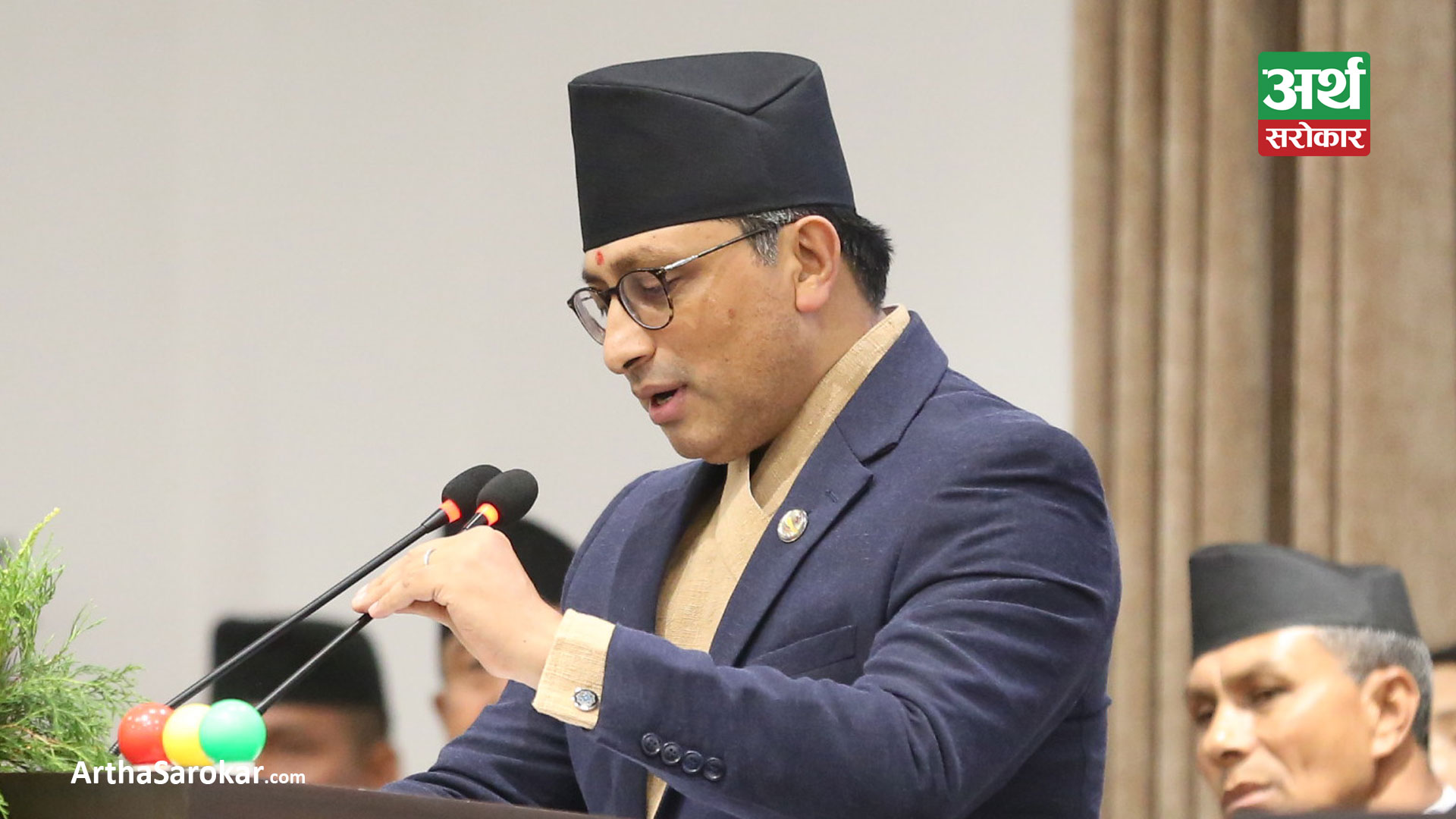
Kathmandu — Presenting the budget for fiscal year 2083/84, the government has publicly proposed closing permanent embassies and some commercial representative branches in Denmark, Brazil and South Africa. In the budget statement delivered by Finance Minister Dr. Swarnim Wagle, the decision to reconfigure certain foreign ministry missions was justified on the grounds of economic efficiency and reprioritization.[1]
According to the government, the aim is to reduce annual operating expenses and reallocate resources to domestic constitutional bodies and social services. However, direct voices of immediately affected Nepali citizens, businesspeople and former diplomatic staff, together with preliminary data, indicate short‑term consular disruptions, trade delays and insecurity emerging within the diaspora. Live appeals and ‑in contributions to radio have highlighted the practical effects of the decision at the grassroots level.[3]
Listen to live radio — Direct voices
‑in, evening 18:20, national radio programme) “I am shipping textbooks from Brazil — new certificates will have to be conveyed, but now consular appointments will have to be made in Kathmandu or a nearby third country; both time and cost will increase.”
— Nepali trader based in Brazil (source identity available), quote compiled from radio recording and live dialogue.[3]
(Audio recording, 10‑minute highlight) “I live in Denmark; we are told passport renewals could take months; as physical access becomes more distant, implementation will be problematic.”
— Nepali student in Denmark (anonymous source requested protection), radio ‑in.[3]
(Former mission staff, off‑the‑record name withheld for clear reasons) “Procedural legality and cabinet decision formalities are necessary; without transparency in the notification process, service‑users may bear a heavier burden.”
— Former mission employee (anonymous source), gathered from in‑person meetings and interviews.[6]
Radio clips and ‑in quotations have foregrounded issues such as alternatives for uninterrupted services, distance and costs as immediate priorities. They have put the government’s claims of ‘efficiency’ and ‘savings’ to a public test over how these will play out in practice.[3][6]
Data and information (required figures and current availability)
-
Budget statement and cabinet decision: The budget statement presented to parliament by the finance minister includes the proposal for mission adjustment; a formal notification from the foreign ministry is yet to be published.[1][2]
-
Annual operating costs and consular case volumes: Public budget documents contain limited dedicated detail; previous annual financial/consular reports of the missions and information from the foreign ministry have been requested (official FOI request filed).[4][5]
-
Passport/consular service numbers (estimated): Annual passport renewals and citizen service case numbers in those three countries are not shared in the initial government database; mutual indicators and previous reports suggest conventional estimates of anywhere from hundreds to thousands of consular cases per mission annually, but concrete confirmation awaits FOI disclosure.[4][5]
Although the government’s documents state a general claim of ‘reducing operating costs’, detailed figures and cost–benefit analysis have not been published; sources appear delayed in providing this information.[1][5]
Expert views
Initial expert reactions are as follows:
-
Diplomacy analyst: Closing missions might reduce government expenditure in the short term, but could weaken trade‑diplomatic access and cultural diplomatic presence in the long term. A shared consular hub or virtual embassy model could be an alternative.[6]
-
Economist: Transparency is necessary to realistically calculate deposit amounts and savings; if those missions had low commercial engagement, savings could be meaningful, otherwise relocation/adjustment costs might negate the savings.[7]
-
Legal expert: While a cabinet decision may suffice for closure/adjustment procedures, administrative challenges can arise if the Foreign Service Act, embassy management regulations and parliamentary notification procedures are not properly followed.[8]
Experts suggested options such as shared‑hub models, expansion of online consular services and regional partnerships (using nearby Nepali missions or friendly countries’ consular hubs) to mitigate impacts on service‑users.[6][7][8]
Legal and procedural questions
The article raises the following difficult questions that require formal answers:
-
What was the formal process between the cabinet and the foreign ministry for this decision, and was there parliamentary or public consultation?[2][8]
-
How will documentation, staff redeployment and major consular cases (such as legal matters, detention, the status of deceased Nepalis) from the closed missions be managed?[6][8]
-
Is the government’s presented savings calculation public, or will it only be released in response to FOI requests?[1][5]
Until these questions are answered, assessment of the decision’s true cost–benefit will remain limited.
The way forward — Options and policy advice
-
Publish transparency and detailed cost–benefit: The government should disclose each mission’s annual costs, consular volume and estimated relocation costs.[1][5]
-
Transitional border services: Implement digital passport applications, regional partnerships (for example: agreements with nearby European/African consular hubs), and time‑limited mobile consular camps. [6][7]
-
Communication with the diaspora: Maintain direct dialogue with affected communities via regular radio/online “Hello‑Government” sessions and establish a toll‑free hotline to address travel and trade issues.[3]
In the long term, Nepal will need to review its diplomatic presence strategy in the context of global policy, particularly considering India‑China relevance and multilateral diplomatic priorities.[6][7]
Conclusion
While the government’s budget announcement presents a strong case for financial efficiency and resource reprioritization, the practical effects on immediately affected communities and the long‑term geopolitical consequences remain unclear. Without public transparency, protective arrangements for direct service‑users and alternative consular delivery plans, long‑term costs and opportunity losses could increase. Direct voices raised via radio have brought this gap to the forefront and require responses from the government.[3][1][5]
Sources
-
[1] Ministry of Finance — Budget statement for fiscal year 2083/84 (Dr. Swarnim Wagle), presented to Parliament: 15 Jestha 2083.
-
[2] Ministry of Foreign Affairs — Internal directive/note regarding mission adjustments: (notification yet to be published; formal information request submitted to the ministry).
-
[3] National Radio — Evening programme (phone‑in session), live broadcast date: 15 Jestha 2083; programme recording and phone‑in transcripts collected from there.
-
[4] Relevant Nepali missions — Annual reports and consular case numbers (collection of latest available reports; internal ministry reports requested).
-
[5] FOI/data publication request filed by reporting team — Official data requested from the Ministry of Foreign Affairs and the Ministry of Finance (document collection in process).
-
[6] Interviews — Former mission staff and diplomacy analysts (phone/in‑person), dates: 15–16 Jestha 2083; some sources requested anonymity for security reasons.
-
[7] Interviews — Economists and policy experts (World Bank affiliates and local university), date: 16 Jestha 2083.
-
[8] Legal adviser — Consultation on the Foreign Service Act and administrative procedure, date: 16 Jestha 2083.