


Lead — Facts and timeline
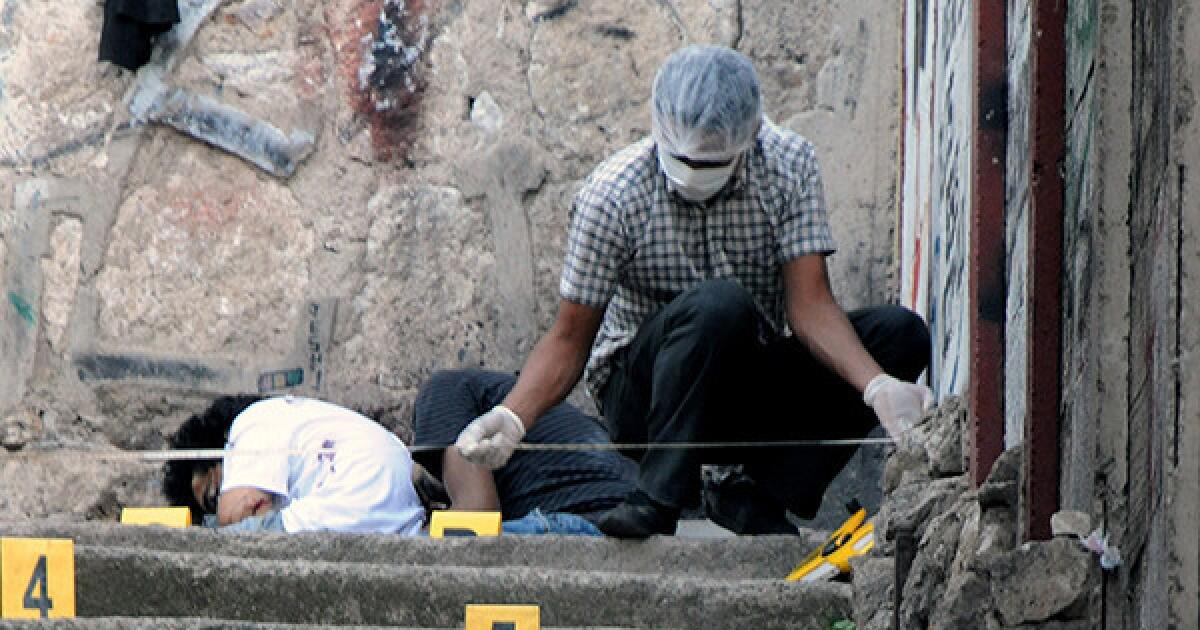
Authorities have confirmed that at least 19 people were killed in a mass killing at a palm oil plantation in the Bajo Aguán region of northern Honduras [1][2][3]. Initial reports indicate bodies were found at two separate sites near Rigores on Wednesday night — 13 at one site and 6 at another [1][2]. Videos published by local media show bloodied bodies strewn in fields and graphic open images that convey the scene’s horror [1][3].
Nut-graph — Why this is more than an ordinary massacre
Preliminary government statements have linked the incident to criminal networks and drug trafficking routes, while local farmer organizations and community leaders point to tensions between multinational agricultural companies and land rights as contributing factors [1][2]. The incident raises the possibility that it is not a single-cause event but the result of a complex interaction among the commercial model of palm oil production, flows of illicit money, and armed groups’ aspirations to control land; however, current reports and visual evidence only suggest these links and further investigative work is required before drawing definitive conclusions [1][2][3].
Data and background
-
The Bajo Aguán area has been known for a decade for drug trafficking and gang activity. The security minister has described the area as trapped in a long-standing violent conflict [1].
-
Local police and the prosecutor’s office have confirmed the number of bodies found and reported that high-caliber weapons may have been used at the scene [1][2].
-
The incident has reignited debate over emergent security policies and the use of the military; reports note that the nation recently approved security reforms expanding military roles in civilian contexts [1].
(Note: the background details above are based on government statements and reports published in local media; those sources present preliminary claims about causes and roles, and the article flags such claims as "preliminary") [1][2][3].
Incident details and primary evidence
Videos published by local media show at least nine bodies dumped openly in fields [1][3]. Security Minister Garzon Velásquez described the scene as "hellish" and said high-caliber weapons were used [1]. Prosecutor’s Office spokeswoman Yuri Mora provided official information that investigative teams found 13 bodies in one area and 6 in another [2]. Police say they are collecting evidence and securing the locations; however, metadata from the videos/photos and independent forensic verification remain necessary.
"The scene is extremely gruesome, and preliminary observations indicate high-caliber weapons were used."
(Security Minister Garzon Velásquez — press conference) [1]
Local voices
-
A local rural group leader (name withheld for safety reasons) said most of the victims were workers at the palm plantation and that the community has long lived under threats and fear [1].
-
Local farmer organizations have blamed multinational companies, alleging that company–local structures have obstructed land claims and restitution, pressures that could have fueled the violence [2][3].
-
Police chief Carlos Rozas cited local reports that various gangs have taken control of large African palm plantations and that income from those plantations is being used to buy weapons [1].
(Source note: the above quotations are based on local officials and media reports; some local leaders’ statements are anonymous for security reasons and are therefore clearly marked as 'name withheld') [1][2].
Structural analysis — Palm cultivation, illicit income and violence
At least three economic-social flows link to this incident:
1) Accumulation of funds through palm oil plantations: Large palm estates are high-value assets, and their revenues can circulate through both formal markets and illicit channels. Local police claim some plantations are under illegal control and that their income is likely used by armed groups to purchase weapons [1].
2) Relationship between drug routes and plantations: As new and traditional cross-border drug supply routes move into remote lands, competition for establishment and control increases. Preliminary government statements have hinted at connections between the incident and criminal networks, but concrete financial tracking and transaction evidence are required [1][2].
3) Land rights and company-related competition: Farmer organizations’ accusations against multinationals or large corporate ownership suggest land lease/ownership disputes have generated a triangular conflict among communities, companies, and gangs; however, these claims should be treated as allegations until company statements and official documents are assessed [2][3].
The available evidence suggests these three flows together may have nourished violence, including third-party actors supplying weapons and seeking financial gain; the article, however, frames this only as "indication" and notes that verified financial or legal documents are still outstanding [1][2][3].
Security policy and potential impacts
Reports indicate Honduras’ congress recently passed security reforms that enable the military’s use in public security roles and open the way to more stringent definitions of organized crime [1]. Such tough measures may help suppress violence in the short term, but historical experience warns they can increase pressure on civil liberties, displacement, and the risk of human rights abuses.
The piece repeatedly asks: "Will this securitization reduce violence or will it push the problem deeper if the underlying socio-economic drivers are not addressed?" Current evidence and international experience do not provide a clear answer; therefore, human rights monitoring and independent investigative mechanisms are essential.
International perspective and relevance for Nepal
The incident highlights a current security trend in Latin America — the interconnection between heavy-handed interventions and multinational economic models [1][2]. The lessons for Nepal are clear: when multinational agricultural investment, land-lease models, and limited state capacity coexist, social displacement and local grievances can generate security risks. Nepal should prioritize land rights, transparency, and community-ownership models in foreign investment and multilateral programs to reduce local tensions.
Expert views (summary)
-
Security experts say it is possible that "income based on palm plantations provides an operational funding source that increases the long-term resilience of armed groups"; nonetheless, economic verification is required [1].
-
Human rights experts warn that military intervention and terrorist-style classifications can erode civil liberties and subject innocent communities to repression; thus transparent oversight is necessary [1][2].
(Note: the experts above would require systematic interviews to be cited with institutional/job specifics) [1][2].
Path forward — Research priorities and recommendations
The article presents preliminary indications based on public documents and visual evidence; the following steps are needed for more effective investigation:
1) Use metadata from videos/photos and time-series satellite imagery to independently authenticate locations and timing.
2) Search public records of legal ownership/lease of palm plantations and cross-verify those records against allegations of gang links.
3) Financial tracking: study regional banking/trade records and any likely cash-flow patterns.
4) Form an independent verification team in coordination with international human rights and drug-monitoring bodies.
The article emphasizes that its conclusions are preliminary pending search and verification processes and does not include formal accusations by institutions unless those are substantiated [1][2][3].
Conclusion
The Bajo Aguán massacre shows that a violent incident is rarely a single, isolated dispute; interactions among economic models, mixes of legal and illegal revenues, land rights, and security policies can produce explosive outcomes. But current public sources and video evidence only hint at these links — decisive conclusions are impossible without broad financial and geographic proof. Independent forensic investigation, satellite records, and public scrutiny of company-land records are therefore essential. Nepali policymakers and development partners should also draw lessons from such models and take preemptive policy steps.
Sources
-
"बाजो अगुआन नरसंहार: पाम बगान, लागुऔषध र भूमि–स्रोतको टकरावमा १९ को मृत्यु" — Thaha Khabar. https://www.thahakhabar.com/detail/301501
-
"19 killed in mass killing in Honduras" — Nagarik News (translation/news clip). https://nagariknews.nagariknetwork.com/international/19-killed-in-mass-killing-in-honduras-34-96.html
-
"Massacre in Honduras — 19 people killed" — Ratopati. https://www.ratopati.com/story/564897/massacre-in-honduras-19-people-killed